
05 Mar The Complete Guide to Kettlebell Functional Training for Real-World Strength
The No-Fluff Guide to Kettlebell Functional Training That Actually Gets Results
Picture this: you spend months grinding away on the leg press, the cable machine, the chest fly — building what looks like a solid body. Then you help a friend move apartments, and your lower back gives out carrying a couch down one flight of stairs. Sound familiar? That’s the dirty secret nobody talks about at the gym. Looking strong and being strong aren’t the same thing. Kettlebell functional training exists to close that gap, and once you understand how it works, you’ll never look at those lonely bells in the corner the same way again.
Why Kettlebell Functional Training Is Worth Your Full Attention
Real talk — most fitness programs are really good at building a body that looks capable on Instagram but falls apart in actual life. Machines isolate muscles. That sounds efficient until you realize your body never uses one muscle in isolation to do anything. When you pick up a bag of dog food, your grip, core, hips, and shoulders are all firing together to get that thing off the floor without embarrassing yourself.
Kettlebell functional training trains those exact patterns. Because the weight hangs below the handle, your stabilizing muscles are working constantly — not just the big showboat muscles, but the deep stuff that holds your joints together and keeps you moving well into your 50s, 60s, and beyond. People who stick with this style of training consistently report fewer nagging injuries, better posture, and real carryover to sports and everyday movement. It’s not the most glamorous pitch in fitness, but it’s one of the most honest ones.
kettlebell functional training
What You Need to Know Before Tackling Kettlebell Functional Training
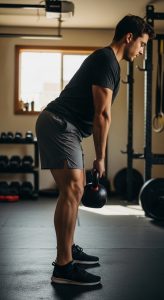
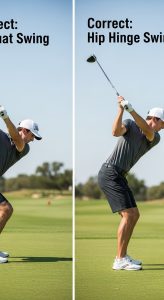
Here’s where most people go wrong right out of the gate — they skip the fundamentals because the movements look simple on video. A kettlebell swing looks like just swinging a weight. It isn’t. There’s a whole hip hinge pattern underneath it that takes real practice to groove, and if you skip that part, you’re loading your lower back in ways it was never meant to handle.
Before your first real session with kettlebell functional training, spend some time learning two things: the hip hinge and the rack position. The hip hinge is the foundation of swings, deadlifts, and cleans. The rack is how you hold the bell at your shoulder between movements, and a bad rack leads straight to wrist bruises and shoulder pain. Neither takes long to learn — a few solid practice sessions will get you there. Also worth knowing: weight selection matters. Most beginners go too light thinking it’ll be easy, then plateau fast. Men just starting out usually do well with a 35-pound bell. Women typically start strong with a 26-pound bell. Go heavier than you think you need to, but lighter than your ego wants.
The Right Way to Handle Kettlebell Functional Training: A Step-by-Step Walkthrough
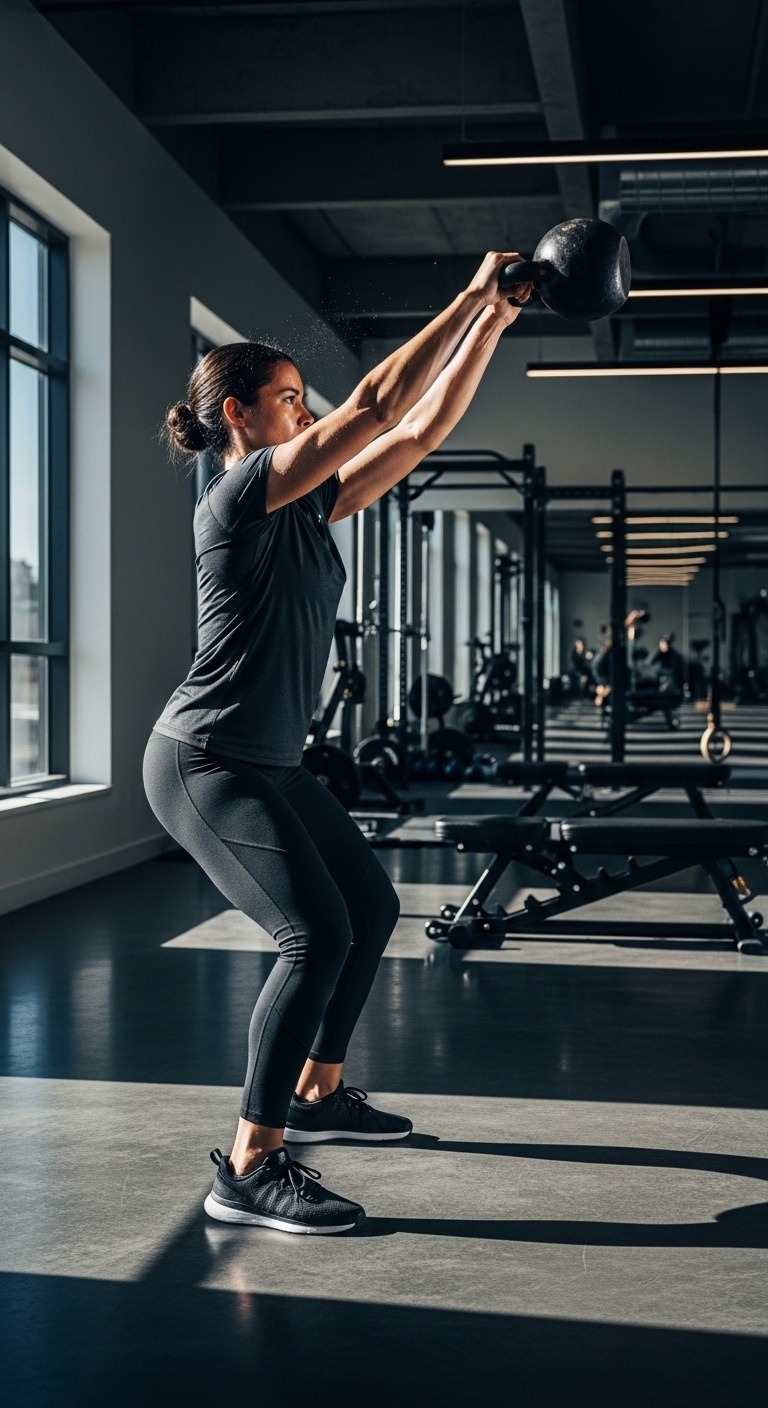
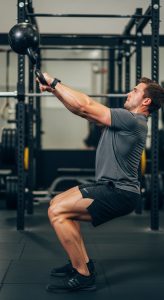
Everything in kettlebell functional training starts with the swing, so that’s where you begin. Set the bell about a foot in front of you on the floor. Hinge at your hips — send them back behind you, not down — and grip the handle with both hands. Think of it like hiking a football: pull the bell back between your legs, then snap your hips forward hard. The bell floats up to about chest height, and your arms are barely doing anything. If your arms are pulling the bell up, you’re doing it wrong. Hip power only.
Once the swing clicks and you can feel your glutes loading and firing, add the goblet squat. Hold the bell at your chest with your hands on either side of the handle, elbows pointed down. Squat deep, chest tall, knees tracking over your toes. This teaches you how to brace under load — something that carries over to every other movement you’ll ever do.
From there, work on the clean. It looks like a swing at first, but instead of letting the bell float out in front of you, you guide it up into the rack position — bell resting on your forearm, elbow tucked close to your ribs. You’ll probably bang your forearm a few times before it feels smooth. That’s completely normal. Everyone goes through it.
Once the rack position feels solid, the kettlebell press opens up. From the rack, squeeze everything — glutes, abs, lats — and drive the bell straight overhead until your arm is locked out and your bicep is next to your ear. It should feel like a full-body effort, not just a shoulder exercise. Last but definitely not least: learn the Turkish get-up. It’s slow, it looks awkward, and beginners always skip it. Don’t. It’s one of the best things you can do for shoulder stability and hip mobility, full stop.
kettlebell functional training
The Most Common Mistakes People Make With Kettlebell Functional Training
The biggest one is squatting the swing instead of hinging it. Your knees shouldn’t be bending much — this is a hip-dominant movement. When people squat it, they lose all the power and put stress on joints that shouldn’t be involved. If your thighs are burning after swings, your hips are probably not doing their job.
Going too heavy too fast is another classic. Kettlebell functional training is technical, and your form breaks down fast under too much load. A little humility early on saves you months of relearning bad patterns later. A lot of people also skip straight to pressing without ever building a comfortable rack position, which leads to wrist pain and inefficient movement. And nearly everyone skips the Turkish get-up. Don’t be that person — it’s slow and strange and it will absolutely expose weaknesses you didn’t know you had.
kettlebell functional training
Pro Tips That Make Kettlebell Functional Training Easier and More Effective
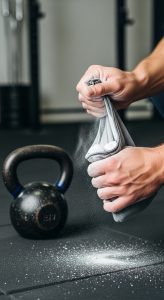
Get some chalk. Even a thin layer on your palms transforms your grip during high-rep sets and saves you from the skin tears that sideline beginners for a week. Liquid chalk travels well and most gyms allow it.
Train in flat shoes or bare feet if you can. Running shoes have a raised heel that messes with your hip hinge and throws off your balance during swings. Take them off once and you’ll feel the difference immediately. It’s one of those small things that makes a surprisingly big impact.
Film yourself from the side every now and then. It’s uncomfortable, but watching your own movement patterns is the fastest feedback loop you have — especially for the swing. You’ll see things a mirror can’t show you. And finally, two solid sessions per week beats four rushed ones every time. Kettlebell functional training hits a lot of systems at once, and you need recovery time for it to actually work. Don’t grind yourself into the ground. Show up twice, go hard, rest well, repeat.
kettlebell functional training
When Kettlebell Functional Training Needs a Professional’s Touch
If you’ve got an existing lower back issue, a hip impingement, or a shoulder that’s been giving you trouble, don’t try to figure this out on your own. The movements in kettlebell functional training can be genuinely therapeutic — but only when they’re performed correctly for your specific situation. A certified coach, particularly someone with an RKC or StrongFirst credential, can look at how you move and make adjustments that no YouTube video can.
Same goes if you’ve been training for a few months and still can’t feel your glutes during swings, or your wrists keep aching after cleans. That’s a movement problem, not a fitness problem. It’s worth fixing properly rather than grinding through it and hoping it goes away.
Final Thoughts on Kettlebell Functional Training and What to Do Next
Look, kettlebell functional training has been around for centuries for a reason. It keeps showing up because it works — not in a complicated, fancy way, but in a “your body moves better and hurts less” kind of way. One bell. A few movements. Consistent practice. The results show up at the gym, sure, but more importantly they show up when you’re hauling luggage, playing with your kids, or just moving through your day without something always aching.
Start with the swing. Nail the hinge. Be patient with yourself on the technical stuff. And if you’ve already been doing this — or you’re just getting started — leave a comment and share where you’re at. What movement took you the longest to get right? What surprised you most? Real experiences are worth a hundred how-to guides.