
04 Feb How to Start a Home Gym: Complete Beginner’s Guide
How to start a home gym is easier than you think, and you definitely don’t need a trust fund to make it happen. I’ve watched people stress about needing thousands of dollars and a massive room, when honestly, you can get started with way less than you’d spend on a year of gym memberships.
Let me walk you through exactly how to build your own workout space without the overwhelm or the buyer’s remorse.
how to start a home gym
Why Starting a Home Gym Makes Sense Right Now
Look, gym memberships are expensive and honestly kind of a pain. You’ve got to drive there, wait for equipment, deal with crowds, and work around their hours.
A home gym is yours 24/7. No commute, no waiting, no awkward small talk when you’re trying to focus on your workout.
The money you spend upfront usually pays for itself within a year compared to monthly gym fees. Plus you’re not locked into contracts or dealing with “forgot to cancel” charges that mysteriously appear.
Step 1: Figure Out Your Space Situation
You don’t need a dedicated room to start a home gym. Seriously, I’ve seen people create amazing setups in bedroom corners, basements, garages, even walk-in closets.
Measure your available space before buying anything. Write down the dimensions and think about what can realistically fit there.
Consider these spots you might be overlooking:
- Spare bedroom corner
- Garage bay
- Basement area
- Large closet
- Living room corner that barely gets used
- Covered patio or deck
Height matters too. If you want to do pull-ups or use resistance bands overhead, make sure you’ve got the ceiling clearance.
Step 2: Set a Realistic Budget for Your Home Gym
Here’s where people either go way overboard or sell themselves short. You can start a functional home gym anywhere from $100 to $10,000+ depending on your goals.
Beginners should budget $300-$800 for a solid starter setup. That gets you enough equipment to do full-body workouts without feeling limited.
Break your budget into categories:
- Essential equipment (60% of budget)
- Flooring/mats (20% of budget)
- Storage solutions (10% of budget)
- Accessories (10% of budget)
Don’t blow your entire budget on one fancy machine. It’s way better to have variety than one expensive piece collecting dust.
Step 3: Choose Your Essential Equipment First
This is where knowing how to start a home gym really matters. You want equipment that gives you the most bang for your buck.
Adjustable dumbbells are hands-down the best first purchase. They replace an entire rack of weights and take up minimal space.
Here’s my recommended starter equipment list:
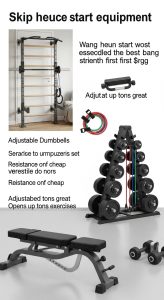
- Adjustable dumbbells (essential for strength training)
- Resistance bands set (versatile and cheap)
- Yoga mat or exercise mat
- Pull-up bar (doorway mounted works great)
- Adjustable bench (opens up tons of exercises)
Skip the cardio machines at first unless that’s specifically your jam. You can do cardio with bodyweight exercises, jump rope, or just going outside.
how to start a home gym
Step 4: Think About Flooring Protection
Your floors will thank you for this step. Dropping weights on hardwood or tile is a quick way to ruin both your floor and your equipment.
Rubber gym flooring is the gold standard but interlocking foam tiles work fine for lighter workouts and cost way less.
Flooring options ranked by price:
- Yoga mat (cheapest, minimal protection)
- Interlocking foam tiles ($50-150)
- Horse stall mats ($100-200)
- Professional rubber flooring ($200-500+)
If you’re renting, go with something you can easily remove. Horse stall mats from farm supply stores are shockingly affordable and work great in garages.
Step 5: Plan Your Workout Style and Goals
How to start a home gym depends heavily on what you actually want to do. A powerlifter’s gym looks totally different from a yoga enthusiast’s setup.
Get honest about what workouts you’ll actually do. Don’t buy a treadmill if you hate running, even if it seems like what you “should” have.
Common workout styles and what they need:
- Strength training: Weights, bench, squat rack
- CrossFit/HIIT: Varied equipment, open floor space
- Yoga/Pilates: Mat, blocks, resistance bands
- Bodybuilding: Multiple weight options, mirrors
- Functional fitness: Kettlebells, medicine balls, TRX
Mix and match based on your interests. Most people end up doing a combination anyway.
Step 6: Start Small and Build Gradually
The biggest mistake beginners make is buying everything at once. You end up with equipment you never use and a maxed-out credit card.
Buy your top 3 essential items first, use them for a month, then reassess. You’ll learn what you actually need versus what looked cool online.
Smart buying timeline:
- Month 1: Dumbbells, mat, resistance bands
- Month 2: Bench or pull-up bar
- Month 3: Additional weights or specialty item
- Month 4+: Fill gaps based on actual usage
This approach saves money and prevents buyer’s remorse. Plus you’re not overwhelmed trying to learn ten new pieces of equipment at once.
Step 7: Get Your Storage and Organization Right
Nobody talks about this enough when explaining how to start a home gym, but storage makes or breaks your setup.
Cluttered equipment kills motivation faster than anything. When dumbbells are rolling around and bands are tangled, you’re less likely to work out.
Quick storage wins:
- Wall-mounted plate racks
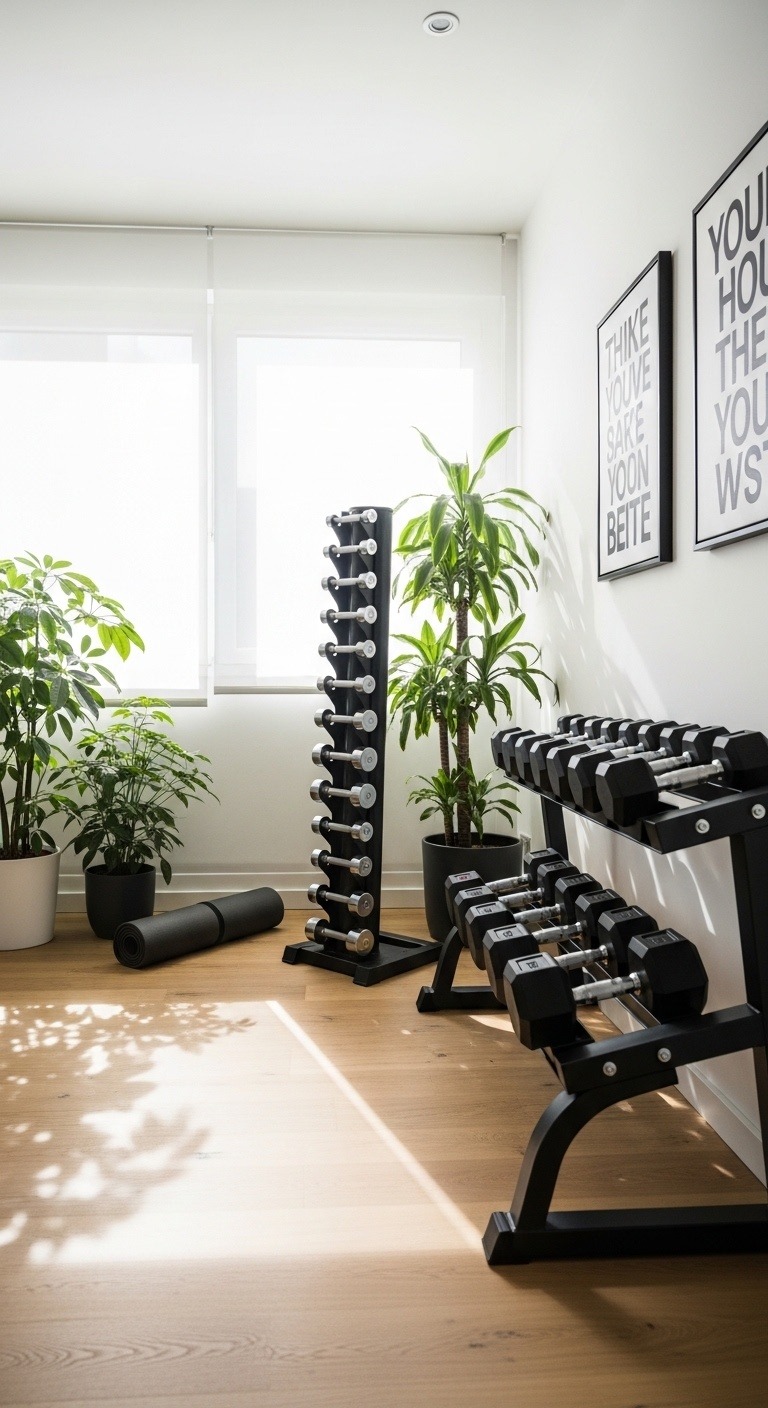
- Vertical dumbbell trees
- Pegboards for accessories
- Storage cabinets for small items
- Over-door organizers for bands and ropes
Everything should have a designated spot. The “touch it once” rule applies—put equipment away immediately after using it.
Budget-Friendly Home Gym Hacks
You don’t need to spend a fortune to get fit at home. Some of the most effective equipment costs almost nothing.
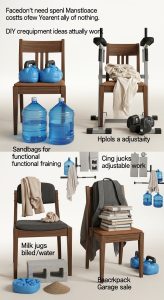
Get creative with household items before buying specialty equipment. Filled water jugs work as weights, chairs become dip stations, towels create resistance.
DIY equipment ideas that actually work:
- Sandbags for functional training
- PVC pipe for mobility work
- Cinder blocks as adjustable steps
- Milk jugs filled with sand/water
- Backpack loaded with books
Check Facebook Marketplace, Craigslist, and garage sales for used equipment. People sell barely-used gym gear all the time after New Year’s resolutions fade.
how to start a home gym
Creating the Right Atmosphere
Your home gym should be a place you actually want to spend time. Atmosphere matters more than you’d think.
Good lighting changes everything. Dark, depressing spaces kill workout motivation before you even start.
Atmosphere boosters:
- Bright LED lights (not dim overhead bulbs)
- Mirror for form checks
- Bluetooth speaker for music
- Fan or AC for temperature control
- Motivational posters or whiteboard
Paint color matters too. Energizing colors like blue, orange, or red can boost motivation. Skip boring beige if possible.
What About Cardio Equipment?
This is where how to start a home gym gets tricky because cardio machines are expensive and take up serious space.
Hold off on buying cardio equipment unless you’re absolutely sure you’ll use it. Most people don’t, and these machines become expensive clothes racks.
If you’re set on cardio equipment:
- Rowing machines fold up and work your whole body
- Jump ropes cost $15 and torch calories
- Spin bikes are cheaper than treadmills
- Mini steppers fit in closets
Bodyweight cardio works great too—burpees, mountain climbers, and high knees cost zero dollars and need zero equipment.
Learning How to Use Your Equipment Properly
Buying equipment is step one. Actually knowing how to use it properly is where real progress happens.
YouTube is your free personal trainer. Search for tutorials on any piece of equipment you own and learn proper form.
Resources for learning:
- Equipment manufacturer websites
- Fitness YouTube channels
- Reddit fitness communities
- Free workout apps
- Online form-check videos
Bad form leads to injuries and wasted effort. Invest time upfront learning correct technique.
Staying Motivated With Your Home Gym
The hardest part about home gyms isn’t setting them up—it’s actually using them consistently.
Schedule workouts like appointments. Put them in your calendar and treat them as non-negotiable.
Motivation strategies that work:
- Set specific, measurable goals
- Track workouts in a journal
- Take progress photos monthly
- Find an accountability partner
- Reward yourself for consistency
Having cute workout outfits helps too. When you look good, you feel more motivated to actually show up.
Common Mistakes to Avoid
I’ve seen people make the same mistakes over and over when figuring out how to start a home gym.
Don’t buy equipment based on what’s trendy. Buy based on what you’ll actually use for your specific goals.
Mistakes that waste money:
- Buying too much too fast
- Choosing equipment that doesn’t fit your space
- Skipping proper flooring
- Ignoring storage needs
- Buying the cheapest possible everything
Quality matters for items you’ll use daily. It’s okay to buy budget resistance bands but invest more in dumbbells or a bench.
Making Your Home Gym Multi-Functional
Your workout space doesn’t have to be gym-only. Most people need their home gym to pull double duty.
Foldable and movable equipment lets you transform spaces quickly between uses.
Multi-use space ideas:
- Guest room that’s also a gym
- Home office with workout corner
- Garage that still fits your car
- Living room with hidden equipment storage
Murphy-style fold-down racks and rolling storage carts make spaces super flexible.
When to Upgrade Your Equipment
You’ll know it’s time to upgrade when your current equipment limits your progress.
Outgrowing your weights is a good problem to have. It means you’re getting stronger and need heavier options.
Signs it’s time to upgrade:
- Maxing out your current weights
- Equipment showing serious wear
- Your goals have changed significantly
- You’ve consistently used everything for 6+ months
- You have the budget and space
Don’t upgrade just because something newer exists. Upgrade when it genuinely improves your workouts.
Seasonal Considerations for Garage Gyms
Garage gyms are awesome but weather affects them differently than indoor spaces.
Temperature control matters. Working out in 100-degree heat or freezing cold isn’t just uncomfortable—it’s dangerous.
Garage gym solutions:
- Portable AC unit for summer
- Space heater for winter
- Insulated garage door
- Fan for air circulation
- Weatherstripping around doors
Some people only use garage gyms in spring and fall, moving workouts inside during extreme weather.
Maintaining Your Home Gym Equipment
Take care of your equipment and it’ll last decades. Neglect it and you’re buying replacements way sooner.
Wipe down equipment after sweaty workouts. Sweat corrodes metal and breaks down materials over time.
Basic maintenance checklist:
- Wipe metal surfaces weekly
- Check bolts and screws monthly
- Oil moving parts as needed
- Vacuum rubber flooring
- Inspect cables and bands for wear
Spend five minutes on maintenance weekly to avoid expensive replacements later.
Setting Up Based on Your Living Situation
How to start a home gym looks different for renters versus homeowners.
Renters need to prioritize non-permanent solutions that won’t damage walls or violate lease agreements.
Renter-friendly options:
- Freestanding equipment (no wall mounting)
- Removable flooring (foam tiles or mats)
- Command hooks for storage
- Doorway pull-up bars
- Furniture with hidden storage
Homeowners can go all out with wall-mounted racks, permanent flooring, and built-in storage solutions.
Getting the Family Involved
Your home gym can serve everyone in your household, not just you.
Make it accessible for different fitness levels. Adjustable equipment works for both beginners and advanced users.
Family-friendly home gym features:
- Equipment for various ages
- Safety considerations for kids
- Space for multiple people
- Variety of workout options
- Scheduling system to avoid conflicts
Kids can use resistance bands, light dumbbells, and bodyweight exercises safely with proper supervision.
Balancing Aesthetics and Function
Your home gym can look good and work well—you don’t have to choose.
Industrial-chic aesthetics work great for gyms. Exposed brick, metal racks, and rubber flooring look intentional and cool.
Design elements that work:
- Consistent color scheme
- Organized storage solutions
- Decorative touches (plants, art)
- Good lighting fixtures
- Matching equipment when possible
Your gym reflects your personality. Make it a space that motivates and inspires you.
What About Virtual Training?
Technology has changed how to start a home gym in recent years. Virtual training brings coaches into your space.
Mirror-style devices and apps provide guided workouts and form corrections without expensive trainers.
Tech integration options:
- Peloton-style equipment
- Fitness apps with video classes
- Smart home gym systems
- YouTube workout channels
- Virtual personal training sessions
Some people thrive with virtual guidance while others prefer working out solo. Try free trials before investing in expensive tech.
Tracking Your Progress at Home
Without gym check-ins or trainer oversight, tracking progress yourself becomes crucial.
Keep a simple workout log. Note exercises, weights, reps, and how you felt.
What to track:
- Workout dates and duration
- Exercises performed
- Weight/resistance used
- Reps and sets completed
- Personal records
- How you felt
Progress photos reveal changes that the scale doesn’t show. Take them monthly in consistent lighting and clothing.
When Your Home Gym Isn’t Enough
Sometimes home gyms have limitations that commercial gyms don’t.
Specialized equipment and variety are where commercial gyms excel. Cable machines, leg press machines, and dozens of specialty items cost thousands.
Signs you might need commercial gym access too:
- Training for competitive sports
- Need coaching and spotters
- Want social workout environment
- Require specialized machines
- Miss the gym atmosphere
Hybrid memberships work great—home gym for daily workouts, commercial gym for specialty work.
Dressing for Home Gym Success
What you wear affects your workout quality more than you’d think.
Comfortable, functional workout clothes help you move better and feel more motivated. Nobody sees you, but looking good still matters psychologically.
Check out gym outfits that work for home training. Having designated workout clothes creates a mental shift into exercise mode.
For different seasons, you’ll want variety:
- Fall workout gear for cooler garage gyms
- Beach-ready outfits for summer training
- Christmas workout sets to stay festive
- Date night ready looks for post-workout plans
Making Your Investment Last
Quality equipment lasts for decades if you treat it right.
Buy once, cry once. Spending a bit more upfront usually saves money long-term versus replacing cheap equipment repeatedly.
Longevity tips:
- Research before buying
- Read actual user reviews
- Check warranty terms
- Buy from reputable brands
- Maintain equipment properly
Some people still use equipment from the 1980s. Quality iron doesn’t expire.
Conclusion
How to start a home gym boils down to planning your space, setting a realistic budget, buying essential equipment first, and building gradually over time. You don’t need thousands of dollars or a dedicated room—just a smart approach and commitment to actually using what you buy.
Start with the basics, learn proper form, stay consistent, and upgrade as your fitness journey progresses. Your home gym should evolve with you, not overwhelm you from day one.
The best home gym is the one you’ll actually use. Keep it simple, keep it functional, and most importantly, keep showing up.
FAQs
How much does it cost to start a home gym?
You can start a functional home gym for $300-$800 if you buy smart. Basic setup includes adjustable dumbbells ($200-300), resistance bands ($30-50), a mat ($20-40), and a pull-up bar ($25-40). Budget more if you want a bench, squat rack, or cardio equipment. Used equipment from Facebook Marketplace can cut costs by 50% or more.
What equipment do I absolutely need for a home gym?
The only truly essential items are adjustable dumbbells, a quality exercise mat, and resistance bands. These three items let you do hundreds of exercises targeting every muscle group. A pull-up bar and adjustable bench dramatically expand your options but aren’t mandatory for beginners. Everything else is nice-to-have, not need-to-have.
How much space do I need to start a home gym?
You can create a functional home gym in a 6×6 foot space—seriously. That’s enough room for a workout mat, some wall-mounted storage, and floor space to move. Garage gyms obviously offer more space, but even apartment dwellers can make it work with foldable equipment and smart storage. Measure your space before buying anything.
Should I buy new or used gym equipment?
Used equipment is usually fine for non-electronic items like weights, benches, and racks—iron doesn’t expire. Check for rust, wobbly parts, and proper function before buying. Resistance bands, mats, and anything that touches your skin should probably be bought new for hygiene reasons. Cardio machines are riskier used since repairs can cost more than buying new.
How do I stay motivated to use my home gym?
Schedule workouts like appointments and create a dedicated space that inspires you. Track your progress visually with photos and workout logs. Set specific, measurable goals beyond just “get fit.” Having workout clothes ready and a good playlist helps too. The biggest motivation killer is clutter—keep your space organized and inviting.
Can I build muscle with just a home gym?
Absolutely. Bodybuilders existed long before commercial gyms. Progressive overload (gradually increasing weight/resistance) builds muscle regardless of location. With adjustable dumbbells up to 50+ pounds, a bench, and consistency, you can build serious muscle at home. You might need to get creative with exercises, but the results are the same.
Is a home gym worth it compared to a gym membership?
For most people, yes. A $500 home gym setup pays for itself in less than a year compared to a $50/month membership. You save commute time, never wait for equipment, and work out whenever you want. The downside is less variety and no social environment. If you need coaching or thrive on gym atmosphere, membership might still make sense.