
16 Feb How Much Does a Smith Machine Bar Weigh? The Complete Guide
How much does a smithing machine bar weigh? I’ve been asked this probably a hundred times at the gym, and honestly, most people are shocked when they find out the answer.
Unlike Olympic barbells that always weigh 45 pounds, Smith machine bars can be anywhere from 6 to 45 pounds—yeah, that’s a massive range.
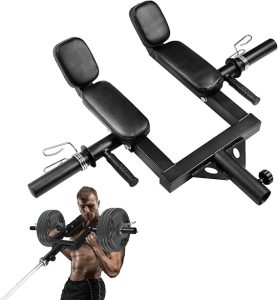
smith machine
Not knowing your bar weight? That’ll mess up everything you’re tracking. You could be logging 200 pounds on squats when you’re really only hitting 185.
Those 15 pounds matter when you’re chasing PRs or trying to follow a real program.
Why Smith Machine Bar Weight Actually Matters
Look, if you want to track your workouts right, you gotta know what that bar weighs. Switch gyms without knowing? You might be lifting 20-30 pounds more or less without realizing it.
I’ve seen this happen all the time. Someone hits a new bench press PR at their gym, then heads to another location and feels way weaker. Plot twist? The Smith machines had different bar weights.
And if you’re running percentage-based programs (like working at 75% of your max), even 10 pounds off will screw up your whole progression.
Building a home gym? Yeah, this becomes even more important to nail down.
The 3 Main Types of Smith Machine Bars
1. Counterbalanced Commercial Smith Machines (6-20 Pounds)
These are the lightweight ones you’ll see at pretty much every chain gym. They’ve got a pulley system hiding in the frame that does some weight magic.
The counterbalance works like a seesaw—it takes a 45-pound bar and makes it feel like you’re lifting 15 pounds instead.
What you’ll find at different gyms:
- Planet Fitness: 15-20 pounds (super light)
- LA Fitness: 15-25 pounds (changes by location)
- Anytime Fitness: 20-25 pounds (middle ground)
- Gold’s Gym: 20-30 pounds (depends which one you visit)
These machines work great for people just starting out, doing rehab, or really dialing in their form. That lighter starting weight means you’re not fighting the bar just to learn the movement.
2. Linear Bearing Smith Machines (25-35 Pounds)
These give you way more of a real barbell vibe. No fancy pulley system—just straight-up resistance.
You’ll see more of these in home gyms since they’re cheaper to build and don’t need all that counterbalance hardware.
Shopping for strength equipment to put in your garage? Most home models fall in this weight range. And that heavier starting point actually helps build better strength.
Why people dig these:
- Feels closer to using an actual barbell
- Your muscles work harder
- Less stuff to break down
- Won’t destroy your wallet
3. Heavy-Duty Non-Counterbalanced Machines (35-45 Pounds)
These bad boys match a standard Olympic bar weight. They’re all over hardcore powerlifting gyms and serious home setups.
That 45-pound bar means no math needed when you’re switching between free weights and the Smith machine. Your numbers stay the same.
Force USA, Hoist, Body-Solid—these brands make the premium stuff in this category. Built for people who want to load up serious weight and keep lifting for years.
How Counterbalancing Systems Work
Counterbalancing is basically some clever gym engineering. Let me break down how it makes the bar lighter.
Picture a 45-pound bar with two 8-pound weights hanging off pulleys (one on each side). Those weights are always pulling up against the bar.
Simple math: 45 pounds minus 16 pounds of counterweight equals 29 pounds you’re actually lifting. But a lot of commercial machines throw in even more counterweight, dropping it down to 15-20 pounds.
The basic formula:
What the Bar Weighs – Counterweight = What You’re Actually Lifting
This lets companies use tough steel bars (so they last forever and hold tons of weight) but keep the starting weight beginner-friendly.
When you’re setting up your own gym, think about whether you want that smooth counterbalanced feel or just raw resistance.
5 Easy Ways to Find Your Smith Machine Bar Weight
1. Check the Manufacturer’s Specs
Easiest option? Look it up online. Most companies list bar weight right on their website or in the manual.
Some machines even have a sticker somewhere on the frame. Check the base or the side rails—that’s usually where they slap the specs.
2. Use a Luggage Scale (Most Accurate)
Wanna know the exact weight? Grab a digital luggage scale. This tells you what you’re really lifting—no guessing.
Hook it to the bar, pull down, and check the reading. Do this with the bar empty to get your baseline.
Just maybe give the gym staff a heads-up first so they don’t think you’ve lost it!
3. Ask the Gym Trainers
Trainers know this stuff cold. They’ve answered this question a million times and can tell you exactly what the bar weighs.
Works really well with older machines that might not be online. Trainers usually have manuals tucked away somewhere in the office.
4. Compare to a Standard Barbell
Lift the Smith bar, then grab a 45-pound Olympic bar right after. Your body knows the difference.
If the Smith bar feels way lighter, you’re probably looking at 15-25 pounds. If they feel about the same, it’s a 35-45 pound bar.
Not super scientific, but it gives you a rough idea to work with.
5. Test with Known Weights
Load some light plates and feel it out. Start with just the bar, then throw a 10-pound plate on each side.
If adding 20 pounds feels like you doubled the weight, your bar’s probably around 20 pounds. If it doesn’t feel like much changed, you’ve got a heavier bar.
Popular Smith Machine Brands and Their Bar Weights
Every brand does their own thing. Here’s what you’ll run into:
- Marcy Smith Machines: 25-36 pounds (home gym stuff)
- Matrix Fitness: 25 pounds (commercial quality)
- Hammer Strength: 20 pounds (commercial favorite)
- Nautilus: 15 pounds (uses Olympic bars)
- Hoist Fitness: 25-45 pounds (they make three different kinds)
- Force USA: 45 pounds (heavy home models)
- Body-Solid: 30-45 pounds (pro level)
Shopping for machines for your home? Always double-check the exact model since brands usually make a few different versions.
Should You Count the Bar Weight in Your Lifts?
Yeah, you definitely should. Let me tell you why this matters.
Some old-school guys say the bar “doesn’t count” because the rails help. But that’s not how weight works—you’re still moving it up against gravity.
When you log “135 pounds” on bench press, that needs to include everything: bar plus plates. Keeps your tracking honest.
Only time it doesn’t matter? If you’re never switching gyms or machines, you could just track plate weight. But the second you hit a different Smith machine or switch to free weights, your numbers won’t line up.
Pro athletes, powerlifters, serious gym rats—they all count the bar. Just do what they do.
Smith Machine vs. Olympic Barbell Weight Comparison
Olympic bars are always the same weight—Smith machines? Not even close. This trips people up all the time.
A standard Olympic bar always weighs 45 pounds (20 kilos). Women’s bars are 35 pounds (15 kilos). Super simple.
Smith machines gave up that consistency to give you other stuff: guided movement, built-in safety, easier to lift solo.
Quick comparison:
- Olympic Barbell: 45 lbs (always)
- Counterbalanced Smith: 15-20 lbs (way lighter)
- Linear Bearing Smith: 25-35 lbs (middle ground)
- Non-Counterbalanced Smith: 35-45 lbs (same as barbells)
Most people can lift 5-10% more on Smith machines than free weights because you don’t need as many stabilizer muscles working.
How Bar Weight Affects Your Training Program
Percentage-based programs completely fall apart without accurate weights. If your coach says “5 sets of 5 at 80% of your max,” you need real numbers.
Say your 1RM squat is 200 pounds. Working at 80% means 160 pounds total. But if you think your Smith bar is 45 pounds when it’s really 20, you’re actually lifting 135 pounds—that’s 25 pounds short.
Over weeks and months? That error adds up big time. Your gains slow down because you’re consistently under-lifting.
For progressive overload to actually work:
- Know your starting weight (bar included)
- Use the same equipment
- Write everything down
Setting up a home gym? Write down your equipment specs in a notebook. You’ll thank yourself later.
Common Mistakes When Calculating Smith Machine Weight
Mistake #1: Thinking All Smith Machines Are the Same
Biggest mistake? Assuming every Smith machine matches yours at home. Bar weights can be 40+ pounds different between models.
Always check when you switch gyms. What works at Planet Fitness won’t match your buddy’s garage setup.
Mistake #2: Forgetting About Counterbalance
Counterbalancing can cut the weight in half. A 45-pound bar might only feel like 20 pounds.
Don’t just go by feel. Get actual measurements or check the manufacturer’s specs.
Mistake #3: Not Writing Down Equipment Changes
Switching machines mid-program destroys your tracking. Changed gyms or bought new equipment? Write it in your workout log.
Add a note like: “Switched from 20lb Smith to 35lb bar—adjusting loads.” Saves so much confusion later.
Mistake #4: Comparing Smith Numbers to Free Weights
Smith machine lifts and free weight lifts aren’t the same thing. The guided path means less stabilizer work.
Track them separately. Don’t feel bad if your free weight bench is 20 pounds less than your Smith bench—that’s totally normal.
Tips for Accurate Weight Tracking with Smith Machines
Consistency beats perfection every time. Pick one way to track and stick with it.
Simple system that works: Once you know your bar weight, add it to every workout entry. No exceptions.
How to write it down:
“Smith Machine Squat: 135 lbs (20 lb bar + 115 lb plates) x 8 reps”
Shows total weight, breaks down the bar weight, and logs your reps. Anyone reading it knows exactly what you did.
Pro tips:
- Write down which gym or machine you used
- Note if you switched equipment
- Record how it felt (easy, hard, brutal)
- Track how fast you moved the bar
Looking for tracking tools for your workouts? Find apps that let you add custom equipment notes.
Choosing the Right Smith Machine for Your Home Gym
Bar weight matters when you’re buying. Here’s what to think about.
Just starting out? Lighter bars (15-25 pounds) work great. You can nail down your form without fighting heavy resistance.
Got some experience? The 25-35 pound range hits that sweet spot. Enough challenge without being crazy hard.
Been lifting for years? You might want that full 45-pound experience. Keeps everything consistent with free weights and builds max strength.
What to check before buying:
- Confirm exact bar weight
- See if it has counterbalancing
- Check max weight capacity
- Make sure it fits your ceiling height
- Read reviews about how smooth the bar moves
Good Smith machines aren’t cheap. Take your time researching what fits your space and training style.
Conclusion
How much does a smithing machine bar weigh? Anywhere from 6 to 45 pounds, but most fall between 15-25 pounds.
The exact weight depends on counterbalancing, the brand, and whether it’s built for commercial gyms or home use.
Here’s what you need to do: Figure out your exact bar weight before your next workout. Takes five minutes but impacts every session from here on out.
Check the manufacturer’s website, ask your gym’s trainers, or grab a luggage scale. Whatever works—just get that number and write it down.
Your gains depend on progressive overload. And you can’t progressively overload if you don’t know what you’re actually lifting—including that bar.
Frequently Asked Questions
Yeah, always count it. When you calculate your total load, add the bar weight plus all the plates. That’s how you keep your tracking honest and your numbers accurate.
Lots of them use counterbalance systems that reduce the weight you feel. Even without counterbalancing, Smith bars are often lighter because they don’t need to handle free movement in all directions like Olympic bars.
Most people can lift 5-10% more on Smith machines because the guided path takes out the stabilizer muscle work. Doesn’t mean you’re stronger—just reflects different muscle activation.
Look for pulleys or cables near the top of the frame. If the bar feels crazy light (under 20 pounds) when it’s empty, it’s probably counterbalanced. Check the manufacturer’s info to be sure.
Lighter bars (15-20 pounds) work best when you’re starting out. Lets you focus on getting your form right without fighting heavy weight. You can always add plates as you get stronger.
Most Planet Fitness gyms use bars weighing 15-20 pounds, but there can be small differences between locations. Ask the staff at your specific gym for the exact weight.
Both have their place. Smith machines are great for isolation work, training solo safely, and rehab. Free weights build stabilizer muscles and functional strength. Best bet? Use both.
Check once when you start using a machine, then again if the machine gets serviced or if weights suddenly feel different. Write it in your training log so you remember.